A city guide should improve decisions, not promise a fixed itinerary. The sections below focus on durable ways to connect displays and place. Confirm every changing practical detail with the institution.
Begin with the layered city
Alexandria’s history does not fit a single classical image. Ancient Egyptian, Hellenistic, Roman, late antique, Islamic and modern histories overlap, while coastlines, harbours and the modern city complicate what survives. A useful museum visit follows one place, material or form through several periods instead of treating each gallery as a sealed civilization.
Let the National Museum establish sequence
The Alexandria National Museum presents material across broad historical periods. Use the sequence lens to notice transitions in language, portraiture, burial practice, trade and domestic life. Record where the museum changes floor, colour or case style along with chronology. Display architecture can help you remember an argument, but verify the actual dates and object records rather than relying on atmosphere.
Use provenance to resist the generic
An object labelled simply “Alexandria” may come from a cemetery, submerged context, sanctuary, house or undocumented collection route. Copy the precise place and qualifiers when supplied. The difference between city, site and excavated feature is essential in a place where ancient remains sit beneath a densely occupied modern landscape.
Follow scripts without forcing a simple succession
Hieroglyphic, Demotic, Greek, Latin, Coptic and Arabic texts belong to different institutions, audiences and historical moments. Their presence does not create a neat replacement chart. Apply the inscription lens: locate the text, identify the support, ask who encountered it and note how the museum translates it. Multilingual evidence can reveal administration, worship, identity and exchange without proving that every resident shared the same literacy.
Keep the sea as a route, not a backdrop
Imported materials and forms connect Alexandria with the Mediterranean, Nile Valley and regions beyond. Avoid turning every resemblance into direct trade. Look for provenanced cargo, production evidence, inscriptions or published analysis. Maritime archaeology can preserve unusual groups, but underwater movement and conservation also shape what reaches display.
Pair portraiture with context
Portrait heads and funerary images attract attention because faces invite recognition. Compare scale, material, carving, hairstyle, dress and original placement before assigning identity or ethnicity from appearance. A face from a tomb, public monument or domestic setting performed a different social task. Labels may distinguish idealized, official and individualized features; keep those categories attached to evidence.
Leave time for the modern building
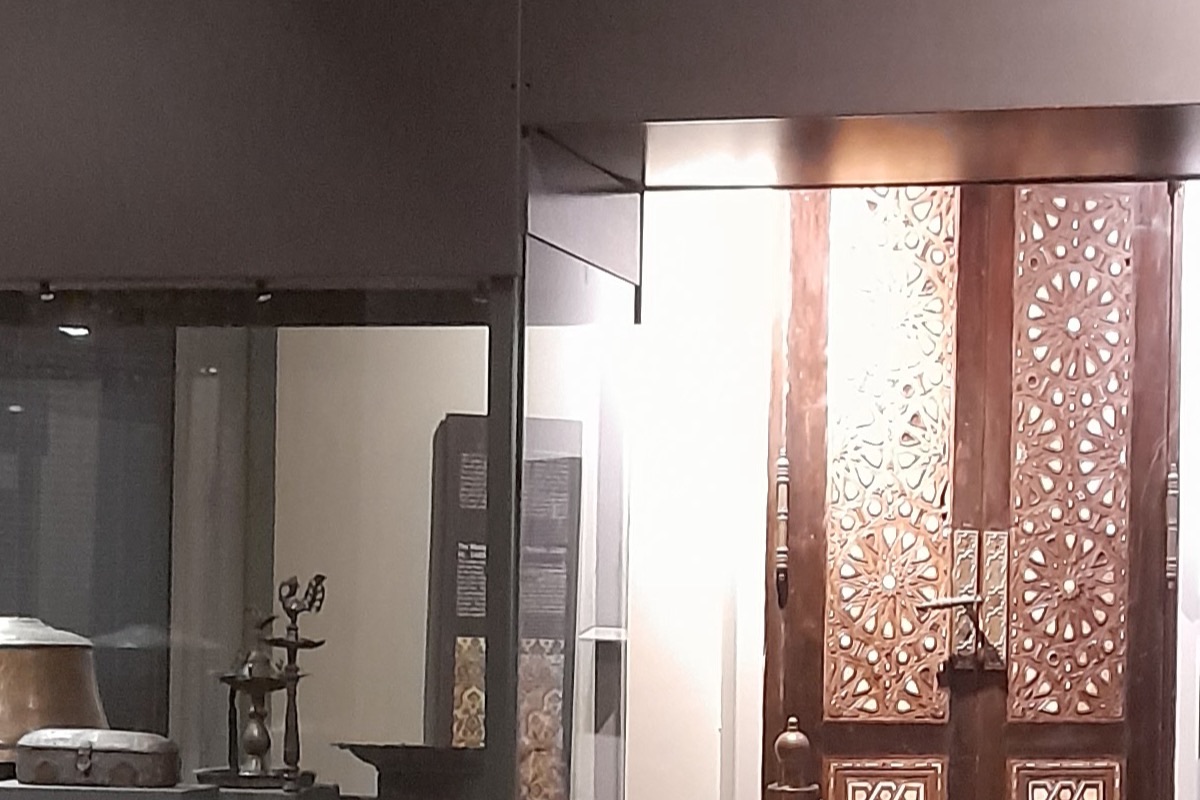
Museums occupy modern architectural and civic histories too. Notice how a former residence or purpose-built gallery directs movement, frames daylight and divides periods. This is not merely decoration around the collection. It affects which objects can be shown, how groups gather and how the city presents its past in the present.
End with a layer map
Choose one object from three different periods and write their find locations, materials and modern collection routes. Connect only relationships you can document. The resulting map will be sparse, which is useful: it separates surviving evidence from the seamless city narrative that tourism often supplies. Confirm current access and visitor rules through official museum pages before travelling.
Official sources reviewed 29 July 2026: Alexandria National Museum ↗ · Bibliotheca Alexandrina Museums ↗. Current arrangements may change.