Walk into the cabinet.
Look before you label.
Seven practical lenses turn an Egyptian museum visit into close observation: material, scale, sequence, placement, inscription, repair and afterlife.
to look
A museum object is evidence, not a finish line.
Names and dates are useful, but they arrive after physical choices, movement, use and later care. Cabinet Walk Egypt gives you a repeatable method for slowing down without needing specialist training. Each guide separates what you can see, what the museum identifies and what still requires evidence.
Spend five minutes with one object before collecting five more photographs.
Seven lenses for one object
Read the material before the masterpiece
Stone, wood, metal, glass and fibre record choices that style alone can hide.
02Let scale change the meaning
Measure an object against the body, the room and the architecture it once occupied.
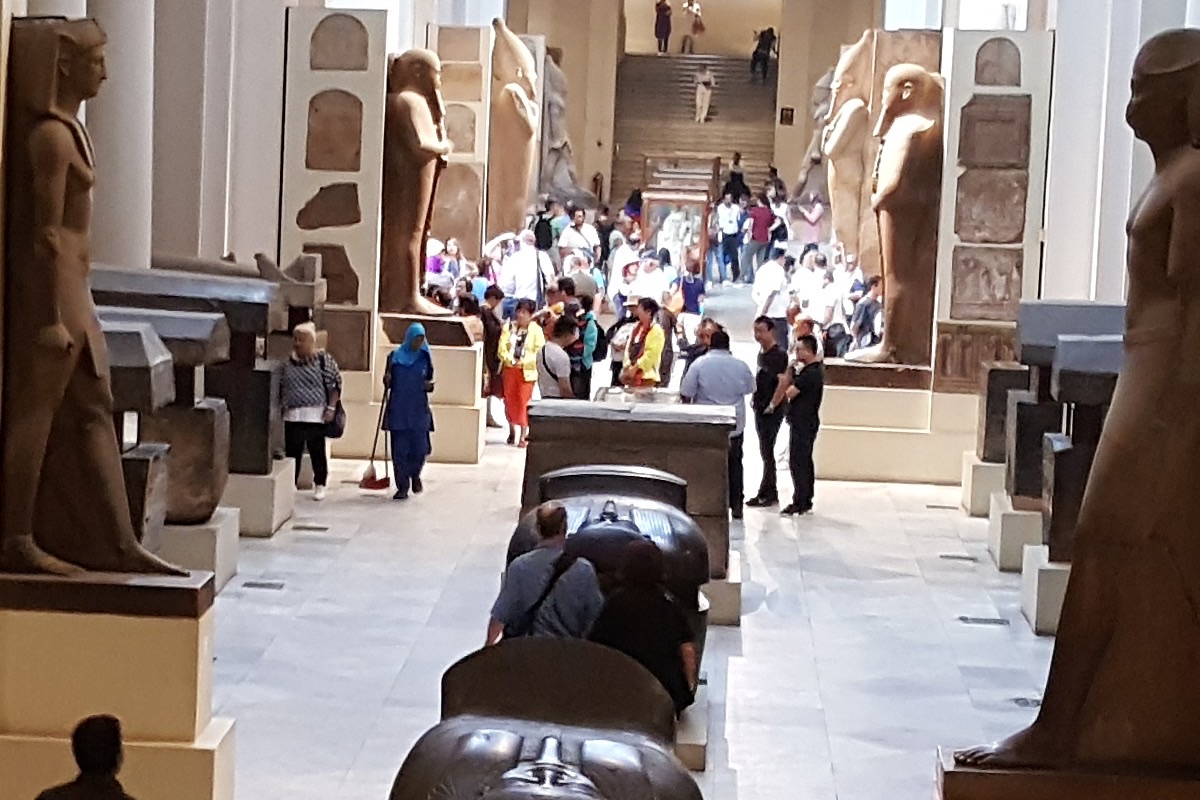
03Read the room as a sequence
The order of objects creates an argument even when no label announces it.
04Put the object back in place
Provenance is not a decorative place-name; it is the route back to relationships.
05Treat inscriptions as designed objects
Words have material, position, audience and gaps—not only translations.
06See repair as part of the biography
Ancient mending, archaeological assembly and modern conservation leave different traces.
07Follow the object after antiquity
Excavation, collecting, transfer, research and redisplay continue an object’s history.
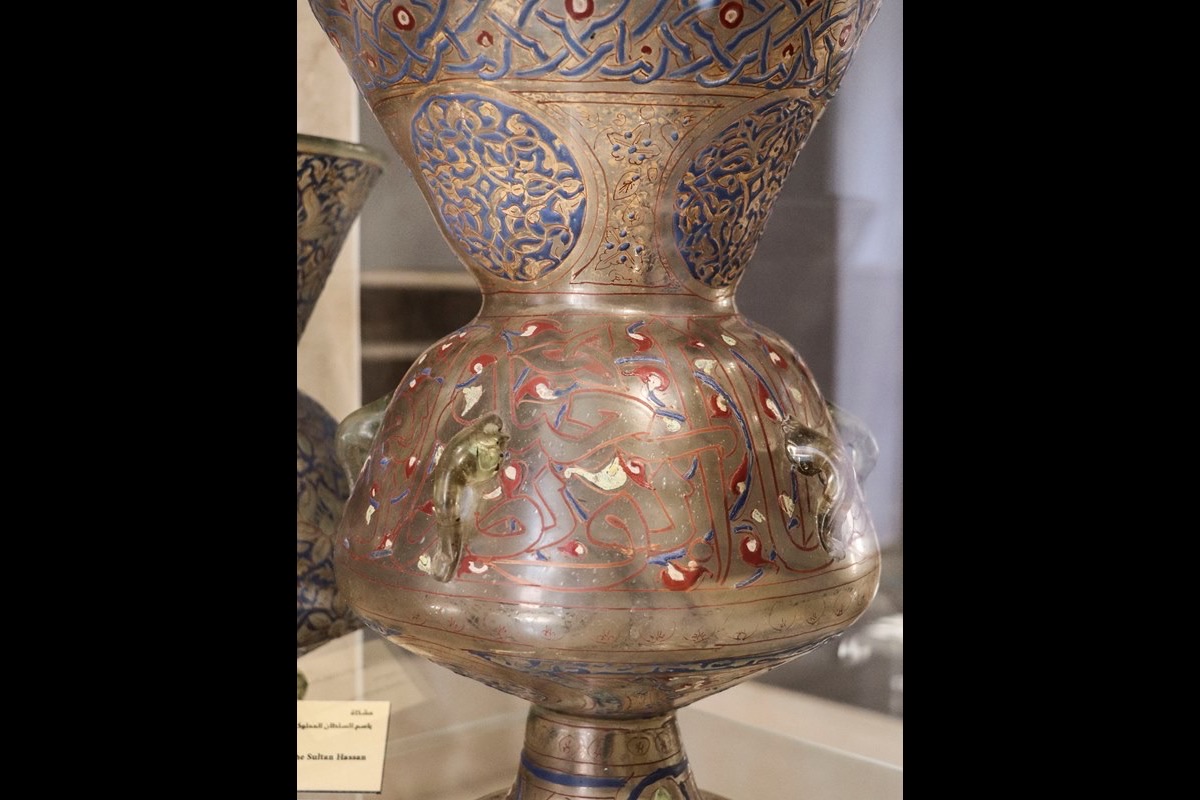
Do not stop at “mosque lamp.”
Notice the blown or enamelled glass body, the calligraphic bands, the suspension loops and the viewing height a lamp once required. Then ask which parts of that relationship survive in the case.
- MaterialWhere does light pass through colour?
- InscriptionDoes text name, dedicate or decorate?
- PlacementHow would height change legibility?
Use place without chasing checklists
Cairo
Compare collecting histories, materials and display structures across very different institutions.
Open guide ↗ ALXAlexandria
Read layered urban history through archaeology, maritime connections and changing scripts.
Open guide ↗ LXRLuxor
Reconnect museum objects with temples, tombs, excavation records and a living city.
Open guide ↗Orient
Read the room heading and identify the organizing rule.
Anchor
Choose one object with a useful label and stable viewing space.
Observe
Describe before interpreting; keep uncertainty visible.
Connect
Compare one neighbour and one official source after the visit.
No invented opening hours. No ticket links. No claim to speak for a museum.
Changing access, prices, photography rules and gallery closures belong to the institution. Our guides concentrate on durable methods and point planning questions back to official sources reviewed 29 July 2026.
Check official sources ↗